Rooted in Connection: Belonging Based Training with Horses
On a cool morning, prior to the sun warms up the arena sand, I see the herd coating morning meal. The old mare noses a slow-moving circle a fresh hay flake and welcomes a younger gelding in. No squeals, no pinned ears, just a soft exhale and a shift of weight that says, You can be below with me. That exchange is the heart of belonging based mentoring with steeds. It is not a strategy even a means of seeing. Individuals come for equine-facilitated wellness, equine-assisted coaching, or restorative horsemanship, yet what alters them frequently starts with that said quiet invitation to share space. Belonging is really felt prior to it is explained.
I have coached hundreds of sessions, from executives doing group structure with horses to youngsters in an autism equine finding out program. The usual string is relationship. When belonging is the objective, mentoring with horses comes to be less concerning doing a task and more about finding out to review and react with care. The horse brings sincerity that can not be fabricated. Whether someone gets here with stress and anxiety that hums in their upper body, ADHD that rattles focus, or sensory difficulties that make the wind feel loud, the herd satisfies them right where they stand.
What belonging appear like in a barn
Belonging with steeds is grounded in permission, clarity, and consistency. Horses are social learners. They map security via predictability, consistent body language, and the capacity to pick. A horse that can say no by leaving is additionally a horse whose yes carries definition. In a belonging based approach, the horse is a partner and an energetic communicator. We set up the atmosphere so both types can share preference without penalty.
That commonly indicates straightforward, concrete shifts. We start unhaltered in a paddock when feasible, then move to a halter only after a mutual check-in. We offer horses time to orient to a new human, and we teach people how to observe a decreased head, a lick and chew, an interested ear, or, just as notably, a limited jaw or a tail clamp that states pause. The goal is not to analyze every jerk, but to deal with the steed all at once being with a nervous system that mirrors our own.
With people, belonging shows up as choice in just how they engage. Some customers choose grooming in silence first, discovering rhythm in slow curry circles. Others intend to walk with a steed at liberty, or method leading with soft hands and clear limits. The session adapts, not to spoil, however to respect nerve systems and construct ability step by step. In this spirit, equine-assisted solutions end up being less of a menu and even more of a partnership field.
Sorting the language so we know what we are doing
The field uses overlapping terms, and that can perplex customers. I often tend to define them in simple language so people can select the right doorway.
Therapeutic horsemanship generally includes finding out horsemanship skills, such as pet grooming, adding, and placed or unmounted workouts, with adjustments for physical, cognitive, or emotional needs. It can improve equilibrium, sychronisation, and confidence.
Equine-assisted tasks are organized interactions with equines, often recreational or educational, that construct https://sergiobenb339.nexorafield.com/posts/tranquil-minds-steady-steps-stress-and-anxiety-support-with-horses abilities like interaction or trouble fixing. Assume barrier training courses free, or learning to lead a steed with patterns.
Equine-assisted services is a broader umbrella that consists of tasks, mentoring, and some professional services. It comes in many layouts and settings, from ranches to therapeutic riding centers.
Equine-facilitated training and equine-assisted mentoring focus on personal and expert development instead of professional treatment. These sessions utilize the steed as a receptive partner to light up patterns in leadership, borders, or relational style.
Equine-facilitated health sits in between coaching and psychological health assistance, and in some programs consists of cooperation with therapists or bodyworkers. Somatic recovery with equines often lives here, where breath, posture, and feeling direct the learning.
None of these are mutually exclusive on the ground. A session might start as experiential learning with horses and move right into equine-facilitated training as understanding emerges. The important part is clearness concerning extent, goals, and consent.
Why equines help regulation stick
People frequently ask why horses appear to soothe them faster than a reflection app or a stroll in the park. Co-regulation is the short response. Equines are victim animals with severe level of sensitivity to nonverbal signals. They discover refined shifts in breath, tension, and interest. When a person settles, the equine typically softens too. When the individual climbs up into distressed reasoning, the horse might raise their head, freeze, or step away. This vibrant feedback loophole makes the unseen visible.
In practice, that appears like paced breathing while a steed matches your tempo at the rail. It looks like a youngster learning to stop briefly prior to yanking, discovering that a slower exhale brings the equine better. It resembles an executive understanding that the harder they press, the less the steed intends to adhere to, which mirrors a stressful conference room in the house. These minutes anchor nerve system learning in muscle mass and bone. It is not abstract. It is kinesthetic and immediate.
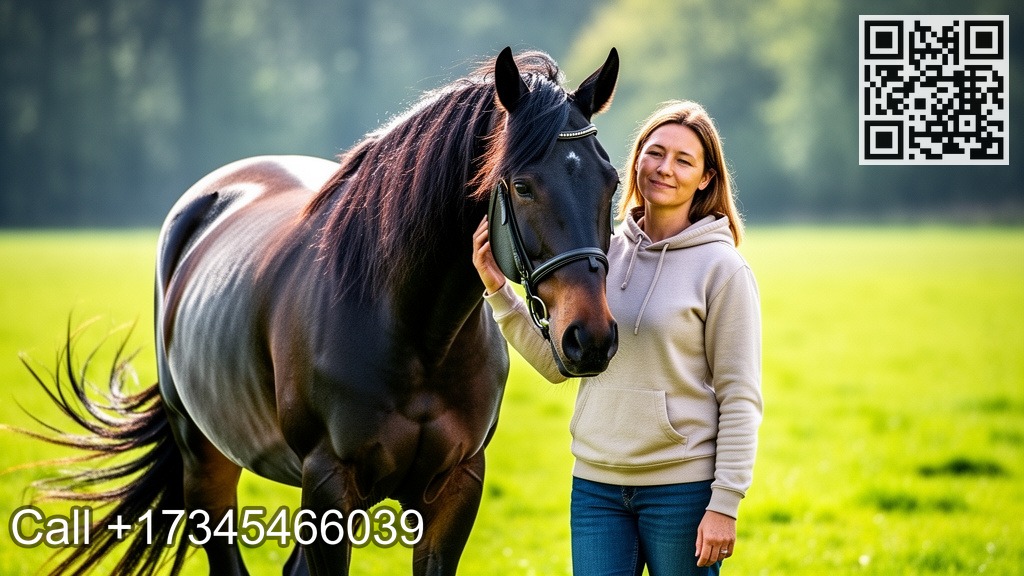
Somatic recovery with equines does not require a trauma story to be efficient. It starts with present minute awareness: feet on the ground, hand on a warm shoulder, the audio of eating. For customers who carry trauma, this sensory emphasis can be stabilizing. And for those discovering ADHD equine learning support, the body-based tasks supply simply sufficient motion to involve interest without flooding it.
Safety that builds confidence without reducing challenge
Safety is not the absence of danger, it is the presence of assistance and option. Horses are huge and opinionated. They additionally hunger for excellent management and clear demands. In a belonging based strategy, we established the atmosphere to permit real connection while layering in functional safeguards.
We match steeds to customers by temperament, energy, and history. A 1,200 extra pound draft cross with a soft eye may be best for distressed adults, while a brilliant horse that loves challenges aids teenagers who favor involvement over relaxing. We preserve fit tack, clear fields, and constant regimens. We do not put people in situations where a meltdown, either equine or human, is the only way out.
We also instruct technicians without drama. Short cause start, after that longer ropes as abilities grow. Hands at the knot, not the snap. Silent halter modifications with the equine's head decreased. Straight your feet where you wish to go, after that welcome the horse to match. These tiny behaviors accumulate. Over a typical 8 session collection, I expect to see taking care of skills progress from tentative to worked with, and emotional regulation from fragile to resilient.
A day in the sector, piece by piece
A first session has a different cadence than the eighth. Individuals show up with tales about equines, some tender, some scary. Our job is to transform the volume down on narrative and up on immediate experience. Here is a compact variation of how we structure the flow while leaving room for improvisation.
- Arrival and positioning, including a short stroll to meet the herd from outside the fence.
- Consent and check-in in simple language, such as, Would you such as to begin with brushing in the cross connections or with a couple of minutes at liberty in the round pen?
- Safety fundamentals woven into the first task, like where to stand at the shoulder and just how to observe the steed's bubble.
- A core exercise that matches the customer's objective, probably leading with a pattern or exercising serenity with hand on wither.
- Reflection and assimilation, tying felt sense to life, then a closing routine such as a thank you scrape at the favorite spot.
That checklist covers regarding 60 to 75 minutes relying on attention and arousal. I do not rush. If the whole session ends up being a lesson in how to slow down an equine's eating to keep everybody risk-free in the cross ties, that is not a failure. It is life with steeds, and it instructs patience, timing, and body awareness.
Stories from the rail
M., a 9 year old with a spiky relationship to college, came of what her parent called Alternative treatment for sensory difficulties. She despised tags on tee shirts, covers on beds, and the surprise of emergency alarm. On the first day she wanted to back up a gateway and watch. The gelding Zig took 2 actions, after that dropped his head to sniff her boots. She giggled, then flinched, then chuckled once more. We constructed from that moment.
By week 3, M. Was brushing Zig with a blue soft brush, counting strokes out loud. The job offered her just sufficient framework. When the barn ingests jumped reduced and she alarmed, we had a simple plan for ground: seek out at the rafters, press feet into the floor covering, breathe out longer than the inhale. Zig's ear flipped back to her each time she allowed air go. After eight weeks, M. Still did not like smoke alarm, yet she had a mobile procedure for shock: orient, ground, exhale, reconnect. Her moms and dad reported fewer disasters around sensory spikes and more self-confidence promoting for breaks.
On a different Tuesday, an elderly management group came for a half day of team structure with steeds. We used a freedom workout called Adhere to The Yes. The team needed to relocate an equine with a pattern of cones without touching or approaching. The first attempt appeared like a personnel meeting with too many e-mails. 4 voices, no plan, a confused steed that opted to graze in the only patch of clover. We paused and asked the evident: That is leading, that is sustaining, and just how will the steed know? Round 2, a single person established instructions, the others developed a boundary bubble with their bodies rather than noise. The equine went through the cones on a loose arc, after that paused to face the team. The debrief was short and sharp. They recognized the practice of over-talking and under-communicating in their daily work, and they entrusted to one arrangement: fewer words, more clearness concerning role.
For stress and anxiety assistance with horses, a pattern shows up over and over. Individuals breathe high and quickly when they stress. Steeds really feel the superficial breath and respond with alertness. We experiment with matters and tempo. Some clients like a 4 in 6 out pattern. Others favor positioning a hand on the steed's side to match the slower equine rhythm. Within 2 or 3 sessions, most discover a breath that helps them, and the horse reacts in kind, going down the head or leaning in. That co-created pace ends up being a referral factor for high stakes minutes off the farm, like a job interview or a hard conversation.
Coaching devices that recognize both species
Equine-facilitated mentoring makes use of timeless training skills, yet the horse keeps us truthful. Goal setting issues, yet we specify it in actions we can see and really feel, not just wishes. If the objective is better limits, we gauge it as, Can you ask the equine to step back without raising your voice, then soften and invite them forward again? If the objective is cooperation, we practice handoffs in a leading pattern, observing just how timing, pose, and tone affect the equine's willingness to follow numerous individuals in sequence.
Curiosity is the various other core tool. Instead of determining what a behavior suggests, we examine it. If the equine crowds you at the gate, are you standing in an area that welcomes a closer look, or did the equine discover that pockets imply deals with? If you open your shoulders and take a longer action, does the crowding resolve? This spirit of experiment safeguards the equine from being a mirror for everything and shields the person from over-interpretation.
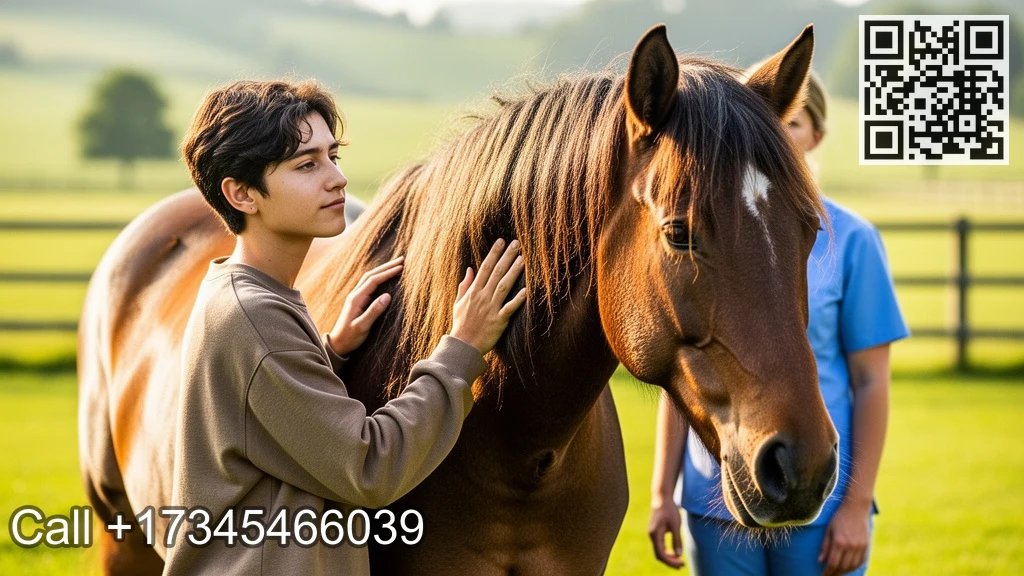
For customers seeking ADHD equine finding out assistance, I keep exercises brief and particular, then differ them simply enough to preserve passion. A 10 minute brushing circuit that rotates brushes and body areas can develop sequencing skills. Leading via a pattern that changes every 2 cones supports functioning memory and versatility. The reward is not simply concentrate. It is company. A client who notifications, I lost track at heaven cone, after that resets without shame is moving an important executive function ability right into day-to-day life.
Belonging and neurodiversity
An autism equine finding out program that focuses belonging is not a one size fits all educational program. Some customers require predictability most importantly. We keep the pattern consistent for several weeks, then include a small change, such as a brand-new brush texture or a new path to the arena. Others thrive on uniqueness however require clear begin and quit cues. We utilize aesthetic supports, like a colored cone where each workout starts and ends, in addition to a straightforward talked script.
Sensory handling issues for horses too. A loud coat, a jangling halter, or a strong scent can be aversive. We problem address both directions. If clipping sound is way too much for the customer, we smother with a towel and job further from the barn. If a horse responds to a wheelchair rolling close, we start at a distance and set method with calm support, permitting the equine to explore on their terms. Respecting both nerve systems boosts real participation.
What changes over time
In 8 to twelve sessions, patterns emerge. People arrive with shoulders near ears, and entrust a neck that moves like it bears in mind how. They uncover they can claim no to a steed without being mean, and the steed appreciates it. They feel an of course in their chest when the horse picks to adhere to on a slack line, and that felt feeling of indeed begins to guide choices far from the barn too.
Teams that practice with steeds tend to bring back 3 tiny yet durable routines. They make one clear demand each time. They confirm recognizing with a visible habits, not an unclear nod. And they debrief today when the job ends, while the impacts in the sand still reveal the pattern they strolled. These very same leaders usually report that meetings run much shorter by 10 to 20 mins, merely due to the fact that they trade babble for signals that land.
Simple, effective workouts to try with guidance
If you are thinking about equine-assisted tasks or equine-facilitated coaching, two fundamental practices can reveal you a lot about your patterns. Deal with a professional for security and for the equine's health.
- Boundary and invitation at the shoulder: Stand at the equine's left shoulder facing onward. Ask them to take one step back with a clear exhale and a tiny wave of your fingers towards the upper body. When they step, soften, action in, and reward with a rub. You will discover where you exaggerate and where you hesitate.
- Liberty adhere to: In a little pen, walk a mild curve and see if the steed picks to mirror you. If not, time out, soften your gaze, and change instructions. If of course, try slowing down to a quit and breathing out. Does the steed quit with you, or do you require to welcome the stop with a small action sideways? Regardless, you are currently in a dialogue.
These are not tricks. They are stress and launch in the lightest feasible form, which builds quality and trust.
Ethics and the steed's experience
Belonging includes the equine. We set up day of rest so the herd is not asked to hold emotional labor continuously. We rotate horses so one exhibitionist does not lug every chatty team while a quieter equine never obtains a turn with the soft-spoken introverts who could adore them. We watch weight, unguis, and saddle fit, due to the fact that physical pain poses as behavior trouble.
I have denied sessions when a steed informed me they were provided for the day. That option sets you back income in the short-term and builds credibility in the long-term. Clients who witness us recognizing the equine's no learn to recognize their very own. They return because they rely on the container, not due to the fact that we assure miracles.
How teams in fact learn with horses
Most groups do not require ropes training courses. They need straightforward responses that ties to habits, not personality. Equines give that easily. A brief format that regularly works in a half day resembles this:
- Warm up with silent leading. Pairs overview a steed with a straightforward square in silence to reset interaction habits.
- Clarify roles, then finish a novel job, such as relocating a herd, 2 steeds, from one end of the arena to the other with open gates and a few disruptive elements.
- Debrief based upon what the steed did, not that chatted most. Name the micro-moves that worked.
In this structure, equine-assisted coaching comes to be a practical lab. Results show up. The group either moved the steed securely, or they created chaos. After that they improve and attempt once again. The lessons leave hoofprints, not just sticky notes.
When horses are not the solution, and when they are
There are times when a workplace, a clinic, or a health club is the appropriate place. If someone is really dysregulated, recently injured, or frightened of pets, we may begin somewhere else. Furthermore, if a customer desires only riding lessons, we could refer them to a program focused on installed skills. Training functions best when goals straighten with the medium.
That said, there are patterns where horses stand out. People who find out finest by doing love experiential discovering with equines. Those who feel stuck in talk treatment usually open a brand-new door when a 1,000 pound animal responds to their silent yes. And for clients looking for an Alternative therapy for sensory challenges, the barn supplies a buffet of based sensations that can be titrated very carefully. The aroma of hay, the warmth of a barrel, hoofbeats on sand, the vibration of a pleased nicker, all are inputs we can call up or down.
Getting began without the hype
If you feel attracted to this work, check out a program prior to you book. See just how the team walk around the horses. Do they slow down at gates, wait on the equine to reduce the head before haltering, and keep their voices consistent even when something unanticipated occurs? Ask how they define range. If they provide equine-assisted solutions broadly, what does that mean for your goals? If you require stress and anxiety assistance with equines, just how do they titrate arousal? If you want equine-facilitated mentoring for leadership, what does success look like three months later at work?
A great program will certainly invite those inquiries. They will chat straight regarding security and expense and what happens if the horse states no on a provided day. They will certainly be truthful about the difference in between a glossy image and the real work of standing in sand, occasionally in the rainfall, refining your timing until the lead rope seems like a shared language.
The silent revolution of belonging
What attracts attention after years in the field is just how little changes ripple. An adolescent boy who could not make eye call with instructors discovers to look at an equine's shoulder to time a demand, after that finds that the exact same soft gaze makes people really feel respected. A manager who prevented problem discovers to ask a horse to back up one action, then one more, then progression to welcome the equine into their space again. Boundaries end up being a dance, not a wall. A woman who never ever trusted her reactions since they had actually been doubted for many years notices that the mare loosens up whenever she follows her initial impulse instead of overthinking. She starts small with friends and family, and the change holds.
Belonging based mentoring with equines is not concerning taking care of individuals. It has to do with remembering just how to be in connection with clarity, compassion, and selection. The herd already knows how to do this. We step into their area and, with luck and method, we let that wisdom shape us. When it works out, the old mare will walk a slow-moving circle around the human the way she does around hay, then open up a room at her shoulder that says, You can be here with me. That is the lesson worth carrying home.
Happy Hooves Wellness
9177 Gross Rd, Dexter, MI 48130
+17345466039
https://www.hhooves.com/